The Choices that Get You Hired: HireSmart Founders Talk Jobs with Commerce Students
Anne Lackey failed the typing test at the bank. She needed to type 25 words per minute but couldn’t. Her guidance counselor had told her not to take typing in high school because she was on the college track and would have a secretary.
(For the record: Anne has never had a secretary.)
Failing that test meant she couldn’t work as a bank teller, the job she’d lined up through a family connection. But the bank hired her anyway — for the personnel department instead.
As a receptionist, Anne learned what gets people hired and what doesn’t.
“You may think, ‘Well, she’s just the receptionist. I don’t need to be nice to her.’ That is a wrong answer,” said Anne. “You want to make sure that you are nice to everybody. Do you know that we didn’t hire people who were rude to me? The first thing I did was report them to the director of HR and said they didn’t have people skills.”
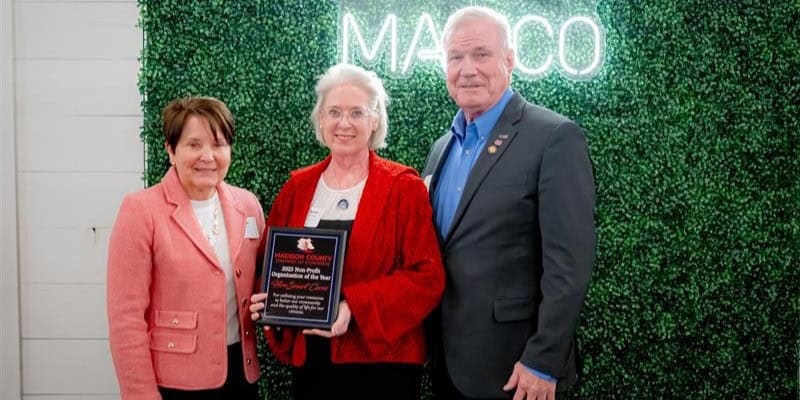
That early lesson became the foundation of a career. Today, Anne and her husband Mark run multiple businesses, including HireSmart Cares, a nonprofit focused on helping K-12 students develop job-ready skills, and she has reviewed countless resumes and conducted thousands of interviews. She knows exactly what gets someone hired and what doesn’t.
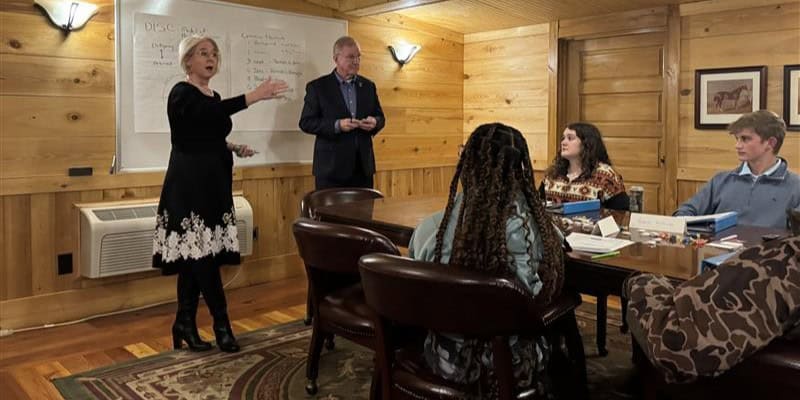
When the Lackeys visited Lynn Booth’s Commerce High School nutrition class recently, students thinking about their futures got practical answers to a crucial question: What do employers actually look for?
The Lackeys told the students that employers care more about attitude than experience.
Anne illustrated the point with a recent hire. Seventeen-year-old Connor applied for a garden job with minimal gardening experience. Anne wasn’t actively looking for help, and the garden wouldn’t need tending for months. She hired Connor anyway for her first job ever.
Why? Connor demonstrated initiative by following up when Anne didn’t respond immediately. She showed service, the Lackeys’ number one company value, by volunteering at a food bank. She is punctual and always interested in learning. Anne explained that she can teach skills but can’t teach someone to have the right attitude. Now Connor is handling a range of duties that don’t include gardening while learning lessons that will help her for years to come.
But attitude alone isn’t enough. Students need to show they’ve prepared.
Before any interview, Anne emphasized, research the company. Know their core values. Know the key people. Look at what’s displayed on their walls.
What students bring to interviews matters, too. Anne’s list was specific: a pad of paper, a pen, and extra copies of your resume. What they don’t bring matters just as much: no cell phones, no smart watches, no parents. The phone stays in the car because it signals where your priorities lie.
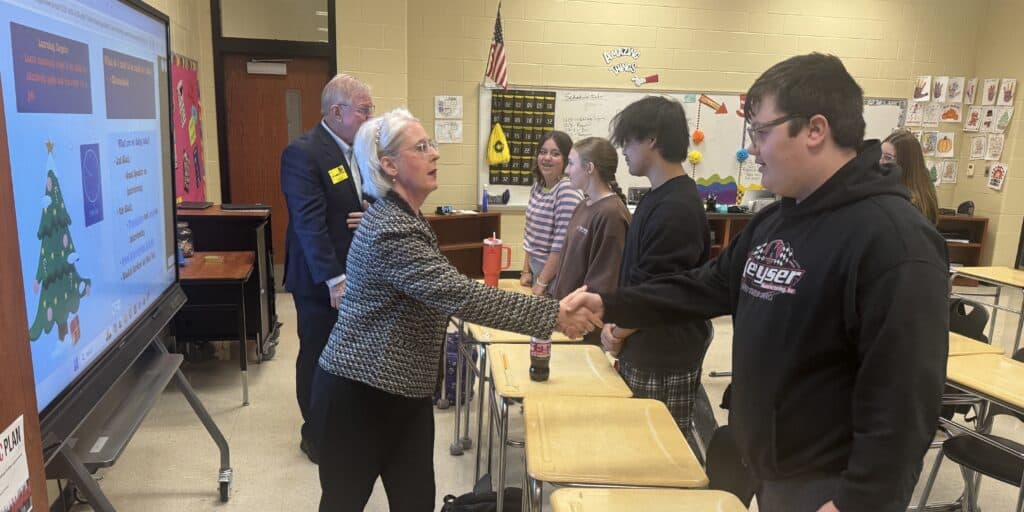
The Lackeys made students practice what gets noticed first: the handshake. Mark walked around the room introducing himself to each student individually: firm grip, palm-to-palm, direct eye contact.
But the interview doesn’t begin when you shake hands in an office, Mark added. It begins the moment you arrive on the premises. He shared his own story of meeting his interviewer in the parking lot, the elevator, and the bathroom before learning that man would conduct his interview.
“You never know who’s around you when you’re going on an interview,” Mark said. “So you’re always on your very best behavior.”
After the interview ends, most candidates stop trying, and that’s their mistake. Anne told students to keep a set of thank-you notes in their car. Before leaving the parking lot, write a brief handwritten note thanking the interviewer, include your phone number, and mail it immediately. This kind of follow-through sets candidates apart.
The Lackeys also emphasized the importance of networking and the law of reciprocity: when you help people get what they want, they help you get what you want.
The principle came to life at the end of the session when one student mentioned his interest in an HVAC career. Mark and Anne immediately offered to connect him with a business owner they know who hires high schoolers.
But they emphasized the responsibility that comes with that introduction. When someone makes an introduction on your behalf, you must hold up your end of the bargain: be on time, be prepared, and do the right things.
Mark and Anne told the Commerce High School students that their choices matter. They urged students to choose initiative, to serve others, to prepare thoroughly, to treat everyone with respect, to follow through.
They said those are the choices that get you hired.
HireSmart Cares is a 501(c)(3) nonprofit organization focused on helping students develop career-ready skills through grants, scholarships, and workforce development initiatives. To learn more about HireSmart Cares, visit hiresmartcares.org.